A wastewater treatment plant is often one of the least visible systems in a building. It operates continuously, receives little attention, and is usually inspected only when a problem becomes obvious. By that point, repairs may be more expensive and environmental risks may already exist.
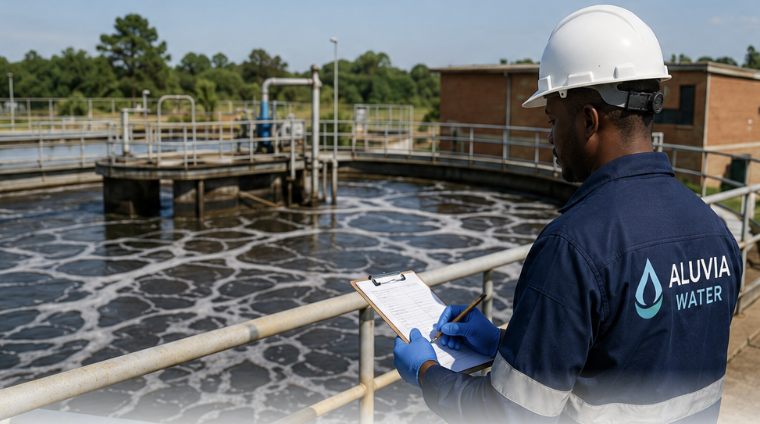
Routine observation is one of the most effective ways to identify early signs of poor performance. Many problems develop gradually. Small operational changes often appear weeks or months before complete failure. Facility managers, maintenance teams and property owners who understand these warning signs can intervene before the situation becomes critical.
This article explains common indicators that a wastewater treatment plant may not be operating as intended. It does not replace laboratory analysis or engineering assessment, but it provides a practical framework for routine inspections.
The treatment plant should operate consistently
A properly operated treatment plant is designed to produce relatively stable results despite normal variations in wastewater flow. Pumps should start and stop according to design. Aeration equipment should operate normally. Effluent quality should remain reasonably consistent.
Sudden changes usually deserve investigation.
If the appearance, smell or operation of the system changes significantly, the cause should be identified rather than ignored.
Persistent odours
One of the first signs noticed by users is an unpleasant smell.
Although wastewater naturally contains organic matter, a well-operated biological treatment system should not continuously produce strong offensive odours around the plant.
Persistent smells may indicate:
- Insufficient aeration
- Excess sludge accumulation
- Poor circulation
- Equipment failure
- Septic conditions inside tanks
Different odours may suggest different operating conditions. However, odour alone cannot determine the exact cause. Further inspection is always required.
The treated water looks unusual
The appearance of treated water provides useful information.
Water leaving the treatment plant should generally be clearer than the incoming wastewater. Significant changes deserve attention.
Possible observations include:
- Dark colour
- Grey appearance
- Floating solids
- Oil films
- Excessive foam
- Suspended particles
Visual inspection is simple but should never replace laboratory testing. Water that appears clear may still fail quality standards, while cloudy water may result from temporary operational conditions.
Excessive sludge accumulation
Every biological treatment process produces sludge.
Sludge should be removed according to the maintenance schedule established for the plant.
When sludge accumulates excessively, several problems may occur:
- Reduced treatment volume
- Poor oxygen transfer
- Pump blockage
- Increased odours
- Carry-over of solids into the final effluent
Ignoring sludge management often reduces the efficiency of the entire treatment process.
Frequent pump failures
Pumps are among the most heavily used mechanical components.
Frequent shutdowns or repeated repairs should not be considered normal.
Common reasons include:
- Blockages
- Worn impellers
- Electrical faults
- Float switch malfunction
- Incorrect operating sequence
Recurring pump failures often indicate an underlying operational issue rather than an isolated mechanical defect.
Aeration equipment no longer performs correctly
Most modern wastewater treatment plants depend on biological activity.
Microorganisms require oxygen to break down organic matter efficiently.
If blowers stop operating or aeration becomes insufficient, biological treatment performance usually declines.
Operators should check:
- Air flow
- Blower noise
- Diffuser performance
- Pressure readings
- Power consumption
Reduced aeration may not produce immediate failure, but performance often deteriorates progressively.
Unexpected increase in electricity consumption
Electricity use often reflects plant condition.
A gradual increase in energy consumption without changes in wastewater flow deserves investigation.
Possible explanations include:
- Worn mechanical equipment
- Inefficient blowers
- Pump cycling problems
- Air leaks
- Poor process control
Monitoring energy use can provide an early indication that maintenance is required.
Alarms should never be ignored
Modern treatment plants frequently include alarms for:
- High water level
- Pump failure
- Power interruption
- Blower malfunction
- Sensor faults
Repeated alarms should never become part of routine operation.
Silencing alarms without identifying the underlying cause increases the risk of equipment damage and process failure.
Mosquitoes and insects
Standing wastewater encourages insect activity.
A properly functioning treatment system should minimise stagnant zones.
Large numbers of mosquitoes or flies around tanks may indicate:
- Poor circulation
- Blocked channels
- Excess sludge
- Standing water
Although insects alone do not confirm treatment failure, they often suggest maintenance deficiencies.
Vegetation around the plant changes
Unexpected vegetation growth may indicate leakage.
Wet soil around tanks, unusually green vegetation or persistent damp areas should be investigated.
Possible causes include:
- Pipe leakage
- Tank cracks
- Overflow
- Drainage problems
Small leaks frequently become larger structural problems if left untreated.
Changes in discharge quality
Many operators only evaluate treated water visually.
In practice, laboratory analysis remains the most reliable method for assessing treatment performance.
Depending on the applicable regulatory requirements and the nature of the wastewater, testing may include parameters such as:
- pH
- Biochemical Oxygen Demand (BOD)
- Chemical Oxygen Demand (COD)
- Total Suspended Solids (TSS)
- Ammonia
- Nutrients
- Microbiological indicators
The appropriate test programme depends on the facility, the treatment process and applicable regulatory requirements.
Maintenance records are incomplete
A treatment plant cannot be managed effectively without records.
Maintenance documentation should normally include:
- Equipment servicing
- Sludge removal
- Repairs
- Alarm history
- Laboratory results
- Spare parts replacement
Missing records make it difficult to identify recurring problems or evaluate long-term performance.
The plant has never been reviewed after expansion
Many buildings increase occupancy over time.
Additional hotel rooms, apartments, hospital beds, classrooms or industrial production may significantly increase wastewater flow.
A treatment plant designed for the original capacity may become overloaded if expansion occurs without engineering review.
Periodic reassessment helps determine whether the installed capacity remains appropriate.
Operators receive little or no training
Even highly automated systems require informed operators.
Routine inspection, cleaning and preventive maintenance remain essential.
Training should include:
- Daily observations
- Safety procedures
- Alarm response
- Equipment inspection
- Basic troubleshooting
Well-trained operators often detect problems before they affect treatment performance.
Preventive maintenance costs less than emergency repair
Most treatment failures develop progressively.
Routine inspection, scheduled servicing and timely replacement of worn components generally reduce long-term operating costs.
Waiting until equipment fails often results in:
- Higher repair costs
- Service interruptions
- Emergency call-outs
- Reduced treatment performance
- Increased environmental risk
Preventive maintenance remains one of the most effective management practices for wastewater treatment systems.
When should you request a professional assessment?
Professional evaluation may be appropriate when:
- Persistent odours develop.
- Effluent appearance changes significantly.
- Equipment fails repeatedly.
- Electricity consumption increases unexpectedly.
- Occupancy has increased.
- Laboratory results no longer meet required limits.
- The treatment plant has not been inspected for several years.
An engineering assessment can review the mechanical equipment, biological process, hydraulic loading and operational practices to identify opportunities for improvement.
Final thoughts
A wastewater treatment plant rarely fails without warning. Most systems show gradual changes that can be observed through routine inspections and proper maintenance. Odours, equipment failures, abnormal energy consumption, sludge accumulation and changes in treated water quality are all signals that deserve attention.
Early identification of these signs allows corrective action before problems become more costly or affect environmental performance. Regular inspections, preventive maintenance and periodic technical reviews remain essential elements of responsible wastewater management.
At ALUVIA Water, we assist property owners, hospitals, hotels, industries and developers in evaluating existing wastewater treatment plants, identifying operational issues and recommending practical improvement measures. Whether your facility requires maintenance, system optimisation or an upgrade, our engineering team can provide an objective technical assessment based on the condition of your installation.